Showing posts with label fever. Show all posts

Monday, 4 February 2019

Maternal prenatal acetaminophen use and the risk of ADHD in offspring (again)

By discussing the findings - meta-analysis findings - published by Xiaoyun Gou and colleagues [1] I once again approach the topic of whether some medicines use during pregnancy might have some important implications for offspring development. And yet again we're talking about the use of acetaminophen a.k.a paracetamol, during pregnancy and how it *might* have some important implications when it comes to offspring development (see here and see here and see here for other blogging examples on this subject).

The Gou study focused on the risk of an offspring diagnosis of attention-deficit hyperactivity disorder (ADHD) following maternal exposure to paracetamol during pregnancy. And whether timing of said exposure and/or duration of exposure showed any *association* to risk of offspring ADHD.

As per the opening sentence to this post, the Gou study was a meta-analysis, meaning that it was a synthesis of the available peer-reviewed research literature. Indeed, authors identified 8 studies published up to November 2018 that included data on nearly a quarter of a million participants in total.

Given the quite consistent consensus already seen in the science on this topic (see here for example) it's probably not unexpected that that authors concluded that: "Maternal exposure to acetaminophen during pregnancy increased the risk of attention deficit/hyperactivity disorder in offspring with a pooled adjusted risk ratio of 1.25." Further: "Children exposed prenatally to acetaminophen in the third trimester seemed to have the greatest risk of developing attention deficit/hyperactivity disorder" and "a longer duration of maternal acetaminophen use during pregnancy was correlated with a higher risk ratio."

Of course such findings, even such meta-analysis findings, come with cautions about correlation not necessarily being the same as causation given the observational nature of the studies included for review. There are also a myriad of other potential factors that seemingly impact on offspring risk for ADHD (see here and see here for some other possible examples) which perhaps require consideration at the same time.

But... this is a topic that requires a lot more investigation. Investigations into whether (a) the association is indeed a real one and not just epiphenomenal, (b) the reasons leading to paracetamol use during pregnancy which may also exert an effect on offspring risk, and (c) which biological mechanisms may be pertinent to any connection (see here and see here), are all indicated. As for where medical opinion stands on this topic at the moment, well, minus any medical or clinical advice from me, I go with the research literature on this topic [2] and would suggest that if you're in doubt, talk to your medical professional...

----------

[1] Gou X. et al. Association of maternal prenatal acetaminophen use with the risk of attention deficit/hyperactivity disorder in offspring: A meta-analysis. Aust N Z J Psychiatry. 2019 Jan 17:4867418823276.

[2] Andrade C. et al. Use of acetaminophen (paracetamol) during pregnancy and the risk of attention-deficit/hyperactivity disorder in the offspring. J Clin Psychiatry. 2016 Mar;77(3):e312-4.

----------

Friday, 15 September 2017

"Children with autism spectrum disorder who improve with fever"

The title of this post mirrors that published by Rebecca Grzadzinski and colleagues [1] looking at an intriguing phenomenon whereby "some children with ASD [autism spectrum disorder] may show behavioral improvements during fever."

I had expected these results to be published given their appearance at this years IMFAR conference (see here) as one of my 'ones to watch' picks. Indeed, the results do not disappoint as the words 'discovery sample' and 'replication sample' are used as per other instances in the peer-reviewed research literature of this methodology (see here for example).

Drawing on data from the Simons Simplex Collection where over 1500 parents with children with autism were asked "whether and in which areas their child improved during fever", researchers randomly assigned participants to either the discovery or replication sample. They took various information - "demographics, medical history, ASD symptoms, adaptive skills, and presence of de novo ASD-associated mutations" - for each child and compared 'fever improvers' with 'fever non-improvers' across those measures for the discovery set.

Results: "Parent reports of 17% of children indicated improvements during fever across a range of domains." Some people might quibble with the reliance on parent report in this study but not me as per other work indicating 'sensitivity to an issue if not necessarily expertise' (see here). That almost a fifth of children with ASD might potentially show some clinical improvement during a fever episode is not to be sniffed at (see here) and hints that previous chatter about 'hot baths and autism' (no really, see here) might not be just some odd idea (albeit with the requirement for further experimental study and certainly with no endorsement from me at this time).

Then: "Discovery and replication analyses revealed that the Improve Group had significantly lower non-verbal cognitive skills (NVIQ) and language levels and more repetitive behaviors." Such results, whilst requiring replication, hint at some interesting future studies to be done with certain parts of the autism spectrum. Lower NVIQ and language levels shouldn't however be just interpreted as just meaning those towards the more 'severe' end of the autism spectrum; even those with spoken language on the autism spectrum can be quite severely disabled by their autism.

"Understanding the profiles of children who improve during episodes of fever may provide insights into innovative treatments for ASD." I find myself in agreement with such sentiments, particularly when set in the context of possible "immunologic and neurobiological pathways, intracellular signaling, and synaptic plasticity" being potentially affected by fever onset [2] in the context of autism. I of course understand that for some people, the whole notion of fever being tied into behavioural presentation is gonna be met by the same old cynicism (of course, autism is lifelong and immutable!) but science is science...

Music to close: Hüsker Dü - Makes No Sense At All (no reflection of the current research I might add).

----------

[1] Grzadzinski R. et al. Children with autism spectrum disorder who improve with fever: Insights from the Simons Simplex Collection. Autism Res. 2017 Aug 31.

[2] Curran LK. et al. Behaviors Associated With Fever in Children With Autism Spectrum Disorders. Pediatrics. 2007; 120: e1386-92.

----------

Tuesday, 27 June 2017

MoBa does prenatal fever and autism risk

'MoBa does..' is fast becoming a common title on this blog (see here and see here). Referring to the Norwegian Mother and Child Cohort Study (MoBa), this initiative based on the examination of 100,000 pregnancies in Norway is yielding some useful observations for all-manner of different condition/labels.

When MoBa is applied to autism, a few names seem to quite consistently crop up - Mady Hornig and Ian 'virus hunter' Lipkin - as is the same for today's blogging material from Hornig and colleagues [1] (open-access). Their findings supporting "a role for gestational maternal infection and innate immune responses to infection in the pathogenesis of at least some cases of ASD [autism spectrum disorder]" make for interesting reading.

Authors set about determining whether maternal fever episodes during pregnancy might show some connection with risk of offspring autism. To do this they relied on questionnaire data from pregnant mums completed at specific times of their pregnancy pertinent to "fever, along with their timing, as well as the names of medications used for fever, and the timing of that medication use" as a function of a subsequent diagnosis of offspring autism or not. That 'medication use' side of things adds to a further stream of research suggesting that some medicines used as fever-reducers/eliminators (antipyretics) during pregnancy might also have some bearing on offspring behavioural/developmental outcomes (see here and see here for examples). Alongside such information, authors also took into account various potentially confounding variables that might have also affected offspring autism risk.

Results: based on data covering nearly 100,000 children, with nearly 600 subsequently being diagnosed with an ASD, researchers concluded that: "Prenatal fever was associated with increased ASD risk among offspring." Exposure to reported pregnancy fever at any time during pregnancy seemed to be more common in those children who were eventually diagnosed with ASD but notably during the second trimester of pregnancy. They also noted a possible dose-response effect from pregnancy fever exposure: "Risks increased markedly and dose dependently with fever frequency, with particularly strong effects after 12 weeks’ gestation." As to the use of antipyretics and any additional risk or mitigation of risk, I'm inclined to suggest that on this research occasion, there wasn't very much to see either way.

Added to the idea that infection exposure during the nine months that makes us might also affect the risk of subsequent offspring autism (see here), this latest data sit well with the idea that infection and/or response to infection during pregnancy might very well be able to influence offspring outcomes. Pregnancy is a time of reprogrammed maternal immune function (to stop mum's immune system attacking the developing foetus) so already science has a basis for looking at something like enhanced maternal immune activation (MIA) during pregnancy as being potentially pertinent to offspring outcomes particularly autism.

Of course one has to note that the strengths of the MoBa study - "a large, prospective, population-based birth cohort with exposure data collected in 4-week intervals and linkage to a patient registry for case ascertainment" - need to be balanced against the weakness, i.e. maternal self-report. The authors have however promised more detailed study in this area: "we are testing the possibility that risk is associated with specific infectious agents through sequence-based and serological assays of samples collected mid-pregnancy and at birth from cases and controls" so there may be more to add in future times [2] in addition to some already published inklings from authors (see here).

----------

[1] Hornig M. et al. Prenatal fever and autism risk. Molecular Psychiatry. 2017. June 13.

[2] Mahic M. et al. Epidemiological and Serological Investigation into the Role of Gestational Maternal Influenza Virus Infection and Autism Spectrum Disorders. mSphere. 2017. June 21.

----------

Monday, 10 April 2017

"Predisposition" to autoimmunity and inflammatory activation linked to autistic regression?

The paper by Ori Scott and colleagues [1] provides some very welcome interest in the concept of regression in relation to autism. As I've indicated quite a few times on this blog, regression accompanying cases of autism has [finally] been accepted by the research community at large (see here for example) but there is still some way to go with regards to the hows-and-whys of regression. There are some clues (see here) but more data is required. What the evidence available so far suggests is that sweeping generalisations about autism exclusively occurring/appearing during very early infancy or even before, are probably not as accurate as many people might realise (see here)...

So, starting from the idea that autistic regression might have an important 'immune-related' component to it, the authors set about reviewing the medical charts/records of some 240 children diagnosed with an autism spectrum disorder (ASD). A small but significant proportion of the cohort presented with an "autistic regression variant". Researchers looked at various potentially important facets of those medical charts in relation to things like "febrile illness preceding initial parental concern" (in relation to autistic features) and "possible non-immune precipitants such as pregnancy and postnatal complications." Another important feature of the study was to look-see whether various autoimmune disease/conditions were a feature of the immediate family in regressing and non-regressing cases.

Results: well, febrile illness did seem to be quite a lot more apparent in those children who experienced autistic regression. Indeed the figures went something like 30% in those with autistic regression and 0% in those without. Wow. Researchers also reported that rates of autoimmune disease in the immediate family were quite a bit higher in the regression group compared with non-regressing participants (33% vs. 12%). Further: "Type 1 diabetes and autoimmune thyroiditis were both more common in families with children with autistic regression." The authors conclude: "Our findings suggest that predisposition to autoimmunity, and immune/inflammatory activation, may be associated with autistic regression."

Accepting that this was research based on chart reviews (and indeed chart reviews in 2014) and the relatively small group numbers presenting with autistic regression, these are potentially important findings. Familial autoimmune conditions/disease *correlating* with autism is by no means a new thing (see here). Type 1 diabetes - the one where the pancreas don't produce any insulin as a result of the body failing to recognise self as self - has some history in relation to offspring autism risk (see here). Autoimmune thyroiditis, or at least some of the biological markers of this disease, also has some research history (see here). Interestingly, autoimmune thyroid disease also might have some connection to cases of depression too (see here) which could pose some intriguing questions in relation to the body of research talking about antidepressant use being potentially important to offspring autism too (see here). It would be a brave person to say there is no possibility of a connection between these and other familial autoimmune conditions and offspring autism...

The febrile illness stats produced by Scott and colleagues in relation to the regression group are really very interesting. Febrile illness denoting fever and corresponding symptoms in relation to autism onset is an area crying out for further research. Yes, febrile illness can affect onset of things like seizures and/or epilepsy and it would be rather intriguing to see whether this might play a role in the onset of some autism bearing in mind the epilepsy connection posed so far (see here). But more than that are the numerous voices talking about fever being a facet of symptoms onset under quite a few circumstances [2]. The words 'post-encephalitic' spring to mind and with it, quite a bit more scientific inquiry being indicated. And there is also another area that might benefit from some additional scrutiny in relation to developmental regression 'plus' other factors accompanying cases of autism [3]...

----------

[1] Scott O. et al. Clinical clues for autoimmunity and neuroinflammation in patients with autistic regression. Dev Med Child Neurol. 2017 Apr 6.

[2] Mankoski RE. et al. Etiologies of autism in a case-series from Tanzania. J Autism Dev Disord. 2006 Nov;36(8):1039-51.

[3] Poling JS. et al. Developmental regression and mitochondrial dysfunction in a child with autism. J Child Neurol. 2006 Feb;21(2):170-2.

----------

ResearchBlogging.org Scott O, Shi D, Andriashek D, Clark B, & Goez HR (2017). Clinical clues for autoimmunity and neuroinflammation in patients with autistic regression. Developmental medicine and child neurology PMID: 28383115

Friday, 16 December 2016

Non-febrile seizures in children with autism vs unaffected siblings

"Children with idiopathic ASD [autism spectrum disorder] are significantly more likely to have non-febrile seizures than their unaffected siblings, suggesting that non-febrile seizures may be ASD-specific."

So said the findings from Lena McCue and colleagues [1] (open-access) continuing a research theme looking at one of the important 'comorbidities' that seems to be over-represented when it comes to a diagnosis of autism (see here). Idiopathic autism or ASD refers to autism as the primary diagnosis and not something tied to an existing condition where autism can also present. Non-febrile seizures are seizures without fever (where fever can very much result in seizures).

McCue et al "conducted a secondary analysis of data from a registry-based retrospective cohort study of 731 children with ASD and their 192 children unaffected siblings from the AGRE project for whom phenotypic data were collected." Data from around 320 families with at least one child diagnosed with an ASD (n=610) were compared with sibling data (n=160) in relation to the presence of non-febrile seizures. Siblings (not autism) were chosen as the control group because "siblings share, on average, fifty percent of genes as well as the same environment" so perhaps providing an alternative to just general population control groups.

Results: "The prevalence of non-febrile seizures in the ASD group was 8.2% (50/610) and 2.5% in the unaffected siblings (4/160)." What this tells us, aside from the increased frequency of non-febrile seizures in those children diagnosed with autism, is that so-called 'unaffected' siblings are not completely immune to seizures or seizure-linked conditions minus fever. Further: "the odds of having non-febrile seizures increased with age..., presence of GI [gastrointestinal] dysfunction..., and those with a history of febrile seizures had five times the odds of reporting non-febrile seizures."

I was particularly interested in the observations that: (a) gastrointestinal (GI) dysfunction, denoting functional bowel issues such as constipation or diarrhoea, were pretty well over-represented among the children with autism in this cohort, similar to other research (see here) and (b) said GI issues might itself/themselves 'up' the risk of non-febrile seizures in relation to autism. In these days of the 'gut-brain axis' where the grey/pinkish matter floating in the skull might not be totally separate and independent from the more mucus-y matter situated in the torso (see here for example), it strikes me as important that further investigations be carried out on how epilepsy might not just be a 'brain-thing'. We have for example, evidence pertinent to an autoimmune connection to some epilepsy (see here) that has implications for other autoimmune conditions affecting the gut too as per the notion that 'birds of an autoimmune feather may flock together'. That also one of the primary 'treatments' for epilepsy not responsive to the usual anti-epileptic medicines is the ketogenic diet (see here) is something else to consider when talking about gut and brain potentially being quite close neighbours.

"Our study found a five-fold higher lifetime prevalence of non-febrile seizures in children with idiopathic ASD from largely multiplex families compared to their unaffected siblings. These findings suggest that the reported non-febrile seizures may be ASD-specific and cannot be explained by genetic predisposition alone." With that conclusion from the study authors, one might similarly also suggest that the presence of autism in affected children vs. siblings also cannot be explained by genetic predisposition alone...

----------

[1] McCue LM. et al. Prevalence of non-febrile seizures in children with idiopathic autism spectrum disorder and their unaffected siblings: a retrospective cohort study. BMC Neurology. 2016; 16:245.

----------

ResearchBlogging.org McCue, L., Flick, L., Twyman, K., Xian, H., & Conturo, T. (2016). Prevalence of non-febrile seizures in children with idiopathic autism spectrum disorder and their unaffected siblings: a retrospective cohort study BMC Neurology, 16 (1) DOI: 10.1186/s12883-016-0764-3

Wednesday, 19 October 2016

Paracetamol for fever 'associated' with autism?

"In this study, we again show that acetaminophen use is associated with ASD [autism spectrum disorder]."

That was one of the results reported by Stephen Schultz & Georgianna Gould [1] (open-access available here) as part of their survey of the US "National Database for Autism Research (NDAR) of the National Institute of Mental Health (NIMH)" looking at "whether ASD is associated with acetaminophen use." Acetaminophen by the way, is another name for paracetamol, the over-the-counter pain relief medication that is going through some turbulent times at the moment (see here for example).

Shultz & Gould - one of whom has some research form in this area [2] - eventually relied on information for 118 children diagnosed with an ASD and 79 'non-ASD' children with an average age of about 11 years old. The sorts of data they looked at surrounded the parental choice of medication to treat fevers (I think) including whether paracetamol, ibuprofen or aspirin were used. I have to say that the authors could have made the methodology behind their analysis a little bit clearer in terms of how the questions were posed and to whom rather than just referring to another study with regards to participant selection for example. I had to go fishing for various details which is guaranteed to furrow my brow...

Results: well, I'm slightly puzzled it has to be said. When it came to questions about paracetamol use (I use the term paracetamol 'cos that's what us Limeys are used to) between the ASD and non-ASD groups I didn't see too much difference overall. Take for example the questions about 'only using paracetamol' for fever or 'first choice' use for fever. The percentage figures for the ASD and non-ASD group were 15% and 12% respectively for 'only use this' and 35% and 46% respectively for 'first choice'. Given the participant numbers, I'm not sure that these stats are so wildly different. Yes, I appreciate that when it came to the question about 'rarely or never using' paracetamol to treat fever, 17% of those with ASD reported positive to this question compared with only 3% of controls, but does this really tell us much about very different patterns of paracetamol use?

Further, the authors report results based on "age-adjusted models for levels of fever medication use". They observe that using "acetaminophen as a first choice was 83% less likely in children with ASD... while use of acetaminophen if other medication doesn’t bring down fever was 82% less likely in children with ASD." They interpret this to mean that compared with their previous results [2] findings were reversed in that "older children with ASD compared to control children were significantly less likely to use acetaminophen for fever; whereas, in our 2008 study, younger children with ASD compared to control children were significantly more likely to use acetaminophen at 12-18 months of age and after the MMR vaccination." The mention of immunisation in that last sentence was based on their 2008 paper suggesting that "acetaminophen use after measles-mumps-rubella vaccination was associated with autistic disorder" but I have to say that I'm left a little wanting in terms of these recent findings by Shultz & Gould.

I do think there is a 'where next?' discussion to be had when it comes to the idea that paracetamol use might be linked to 'some' autism. Given the growing research interest in paracetamol use and a 'hyperactive phenotype' of autism (see here), this stalwart of pain relief is deserving of much further inspection in relation to autism. Shultz & Gould do offer one possible research direction based on some speculation about the how the endocannabinoid system might fit into this (something mentioned by other authors too). I am interested in the hypothetical situation they conclude their paper with implicating the endocannabinoid system and how paracetamol might affect 'endocannabinoid tone' but to what extent is perhaps another question.

Just before I finish on this topic I'm minded to bring to your attention another detail from the Shultz / Gould paper with regards to the sentence: "children with ASD vs. non-ASD children are significantly more likely to show an increase in sociability when they have a fever." I've always thought the observations on behaviour and fever when it comes to [some] autism to be quite important (see here). Speculation that "this increase [in sociability] is due to anandamide activation of the endocannabinoid system in ASD children" is also ripe for further scientific investigation...

It's been a while but here is some music to close: Mrs Robinson.

----------

[1] Schultz ST. & Gould GG. Acetaminophen Use for Fever in Children Associated with Autism Spectrum Disorder. Autism Open Access. 2016 Apr;6(2). pii: 170.

[2] Schultz ST. et al. Acetaminophen (paracetamol) use, measles-mumps-rubella vaccination, and autistic disorder: the results of a parent survey. Autism. 2008 May;12(3):293-307.

----------

ResearchBlogging.org Schultz ST, & Gould GG (2016). Acetaminophen Use for Fever in Children Associated with Autism Spectrum Disorder. Autism-open access, 6 (2) PMID: 27695658

Wednesday, 27 April 2016

The A Word: the science behind...

The A Word
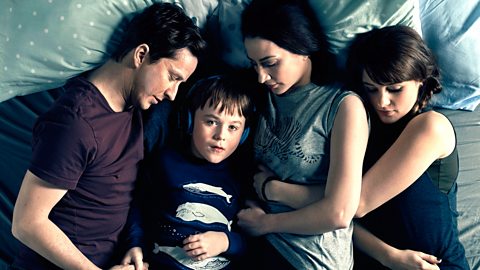
I'm not typically inclined to talk about TV programmes on this blog (well, not usually) but today I'm making an exception based on the conclusion of the BBC drama series 'The A Word' last evening.

For those who might not know, this [fictional] series charts the ups and downs of a family living in the Lake District whose lives are in one way or another touched by autism as a function of a 5-year old boy diagnosed with the condition. The show had a notable addition to the cast with a very straight-talking Christopher Eccleston appearing (yes, one manifestation of Dr Who) but all the actors provided some pretty sterling performances including the child actor Max Vento, who plays Joe 'the 5-year old boy with autism'.

I don't want to go into all the ins-and-outs that the series covered (bearing in mind it was a fictional drama series and not 'real life autism' as per series such as the one by Louis Theroux) but there were a number of themes included that do fall into the peer-reviewed science domain typically covered on this blog. I'd like to briefly cover some of those themes and perhaps provide some short discussion on what they might mean without trying to over-analyse or over-generalise things. I might add that this is my interpretation of the series and readers are also advised to see what others also thought about it.

So:

Wandering
Every episode of the series opens with Joe happily strolling down a deserted road set against the backdrop of the beautiful Lake District. You'll already note that Joe is a boy and so already we have our first 'stereotype' when it comes to autism. Joe has a 'thing' for music (and some mighty good taste in music I might add) as per his almost constant earphone-wearing, and seems happy on his trails on his own. During most episodes of his wanderings he's met by a friendly couple who know Joe and are happy to return him home. I personally was in two minds about this depiction. As throughout the series, it's obvious that the writers know something about some of the themes in autism (research and practice) and I daresay that this reference is a nod to the idea that autism and wandering has received some much needed research attention. In real-life however, any 5-year old child discovered walking on their own on any road would in all likelihood trigger safeguarding mechanisms should authorities become aware... see episodes 5 & 6.

Parental concerns and diagnosis
The process of going from parental concerns about Joe's behaviour to getting a diagnosis is covered in the series. Again keeping in mind that this is fiction, I think many people (certainly on Twitter) saw the most disconnect in this part of the story given (a) the reluctance of the parents - particularly the mother - to 'accept' something might be 'out of place' with Joe's behaviour and (b) the extremely quick time taken for a diagnosis of autism or autism spectrum disorder (ASD) to be given. Without generalising, diagnosis here in the UK is very rarely a quick thing and many parents can and do feel some relief as and when the 'hurdle' of diagnosis has been eventually overcome. Certainly here in the UK, receipt of a diagnosis normally triggers access to important future plans.

Schooling
Mainstream schooling vs. home schooling is an important issue covered during the series. We for example, see Alison - Joe's mum - worried about how Joe will cope in his village primary school where his social interaction with other children for example, looks to be minimal at best. The storyline in this area was perhaps one of the most powerful parts of the series as parental worries of 'how will my child cope?' intermixed with the variety of emotions viewers watch the family go through. Interestingly, the series did offer something important to this story as Joe himself voices an opinion about his desire to go to school. Granted things might not always be so easily communicated in real-life but the idea of taking into account the child's wants and wishes when it comes to schooling options is perhaps an important one. Later in the series we also see how Joe does make friends at school. Viewers who've seen the series might have also noticed the opening and closing of school doors during these school segments by Joe reflective of what might be considered a ritual or routine - a core feature of autism.

Speech and language therapy
Again, outside of the dramatic plot line that follows the introduction of a speech and language therapist (SALT) to the series (who it turns out was bullied by the mother of Joe during her school days), it was indeed useful to see how much impact a good SALT can have on a child with autism. As well as emphasising the 'stopping and starting' of developmental progress that accompanies any child irrespective of the presence of autism or not, the series does well to highlight how a range of professionals can make a real difference to the lives of children on the autism spectrum. Personally, I would have liked to have see the archetypal all-rounder that is the occupational therapist (OT) also included in the storyline but there you go...

Sleep
Joe is seen in pretty much every episode asleep with his night light on followed by a soothing kiss good night from his mother. Again, not one to try and generalise but not every autistic child and their family look forward to such peaceful nights...

Parent and family relationships
Throughout the series, viewers watch how the ups and downs of family life manifest in the relationships between family members. We see for example, how Alison devotes almost her entire existence to Joe in terms of getting a diagnosis and arranging suitable schooling for example, whilst also running a busy household and a business. The stresses and strains tug and pull on important relationships manifesting in various different ways and impacting on various decisions. There are sexual scenes during the series and I know from what some people have written, these were thought of as a distraction to the main storyline. I however think it was important for the writers to include all aspects of parent and family relationships including more intimate moments (bearing in mind the program aired after the watershed). The idea also that autism in the family has the ability to impact on siblings was another important feature of the series. The experiences of Joe's older (half) sister, Rebecca, illustrate how siblings might require additional support when a diagnosis of autism is received in the family but also how they can be very vocal advocates for their brother(s) or sister(s) with autism.

Fever and autism (oh and broccoli...)
Episode 4 of the series introduced some interesting research-based concepts into the storyline. We see Joe develop an illness and 'fever' following a planned sleepover with some school friends resulting in some 'changes' to his behaviour. Joe seems more responsive as words like 'empathy' are banded about (bearing in mind no sweeping generalisation are required on this point). Changes to the presentation of autism in 'some' children following fever have been documented in the peer-reviewed literature [1]. It's not by any means a universal phenomenon and so one has to be a little bit cautious about generalisation. It is however something that requires quite a bit more study (allied to related research areas) about how certain 'types' of autism might be sensitive to such physiological changes. In the same episode we also hear mention of the words 'broccoli' and 'research' pointing to another issue that has surfaced on the peer-reviewed autism research radar [2] (see here for even more discussion). Although you might not know it, the commonality between fever and autism and broccoli and autism (aside from autism) is one Andrew Zimmerman and as if to prove a point [3]...

A hat-tip to gluten and casein
I also had to cast a wry smile as the series did include some reference to a topic close to my research heart: diet and autism, and specifically the involvement of gluten and casein. Granted, the reference to gluten and casein (although lactose is mention over casein) comes from one of the other boys sleeping over at Joe's house who has various 'allergies', but again, I think this highlights how the writers had some good insight into the varied autism research scene.

Final thoughts
There is always the risk that films or programmes 'about autism' can present a stereotype of autism and thereby fail to show just how wide and heterogeneous the autism spectrum is. I don't doubt that similar sentiments will be expressed about The A Word paralleling previous artistic presentations such as Rainman. That also important issues such as anxiety and sensory-perceptual issues were only paid lip service during the series is worthwhile mentioning as were the various often life-changing comorbidities that can accompany a diagnosis such as epilepsy or seizure disorders or learning disability. No programme will ever be perfect.

But I do think that quite a few of the important elements that surround childhood autism were included in the series albeit with the hint of drama required for such fictional storytelling. The struggles and strains were balanced with lighter moments and the idea that 'Joe is still Joe' even after receipt of an autism diagnosis came across on multiple occasions particularly from his on-screen sister. I think the writer Peter Bowker probably said it best about The A Word: 'You won't understand autism after watching The A Word – but it will make you want to learn more'. That sounds about as good a sentiment as any when it comes to the series and further expanding the public view about the very heterogeneous autism spectrum...

----------

[1] Curran LK. et al. Behaviors associated with fever in children with autism spectrum disorders. Pediatrics. 2007 Dec;120(6):e1386-92.

[2] Singh K. et al. Sulforaphane treatment of autism spectrum disorder (ASD). Proc Natl Acad Sci U S A. 2014 Oct 28;111(43):15550-5.

[3] Singh K. & Zimmerman AW. Sulforaphane treatment of young men with Autism Spectrum Disorder. CNS Neurol Disord Drug Targets. 2016 Apr 13.

----------

ResearchBlogging.org Singh K, & Zimmerman AW (2016). Sulforaphane treatment of young men with Autism Spectrum Disorder. CNS & neurological disorders drug targets PMID: 27071786

Tuesday, 7 October 2014

Infection during pregnancy and offspring autism risk

The paper by Lee and colleagues [1] forms the starting material for today's blog post looking at hospitalisation for infection during pregnancy as potentially being a risk factor for receipt of a subsequent diagnosis for autism in offspring.

"Chaos is what killed the dinosaurs, darling"
Based on data derived from one of those very useful Scandinavian health registries, authors observed "approximately a 30% increase in ASD [autism spectrum disorder] risk associated with any inpatient diagnosis of infection". The strength of this finding is based on the large sample covered for analysis (N=2,371,403) including "24,414 ASD cases". The authors note that their findings "adds to the growing body of evidence, encompassing both animal and human studies, that supports possible immune-mediated mechanisms underlying the etiology of ASD".

Of course we've kinda been here before in research terms. The body of peer-reviewed evidence suggestive of maternal immune activation being potentially linked to offspring autism risk (see here and see here) is growing, specifically with inflammatory processes in mind (see here). And that risk does not seem to just end at a diagnosis of autism neither (see here).

I was quite interested in another observation made by Lee et al when looking at autism with and without learning disability (LD). They note: "In a subsample analysis, infections were associated with greater risk of ASD with intellectual disability than for ASD without intellectual disability". This kinda ties in with the findings from Langridge and colleagues [2] (open-access here) who similarly reported: "In the multivariate analysis no maternal conditions or perinatal factors were associated with an increased risk of ASD without ID [intellectual disability]". I can't readily offer any explanation for these findings aside from reiterating the words of Prof. Gillberg on autism plus [3]: "It is high time that the comorbidities, sometimes even more important than the autism, came back on the diagnostic agenda" as being important.

I have just a few more points to made about the Lee findings and then I'm done. First is the stress on 'infections requiring hospitalisation' in the current paper as potentially being important. I think back to the Atladóttir findings [4] talking about: "little evidence that various types of mild common infectious diseases or febrile episodes during pregnancy were associated with ASD/infantile autism" suggesting that infection severity (or individual response to infection) might be an important variable. The same author in another paper [5]  also reported: "admission to hospital due to maternal viral infection in the first trimester and maternal bacterial infection in the second trimester were found to be associated with diagnosis of ASDs in the offspring" reiterating that "requiring hospitalisation" link.

The paper by Zerbo and colleagues [6] (discussed in a previous post) also adds something with their findings of no general association between infant outcome and maternal influenza during pregnancy but perhaps more to see when it comes to maternal fever during pregnancy. Their observations of antipyretic (fever reducing) use potentially augmenting offspring autism / developmental delay risk adds another layer of complexity, bearing in mind certain antipyretics have themselves come under the 'risk spotlight' (see here).

What readers can perhaps take from this post is that there is a complicated relationship emerging between what happens during the nine months that made us and subsequent child and adult outcomes. In amongst the various factors which might influence child outcomes, our relationship with infection - be it viral, bacterial or parasitic - whilst in-utero might have a role to play in development and seems important to at least some autism. This bearing in mind that post-natal infection might also be an area in need of continued investigation (see here) save any cries of autism universally coming about as a result of issues during the prenatal period.

Oh, and that this area also extends outside of autism too...

Music. The Cardigans and My Favourite Game.

----------

[1] Lee BK. et al. Maternal hospitalization with infection during pregnancy and risk of autism spectrum disorders. Brain Behav Immun. 2014 Sep 10. pii: S0889-1591(14)00452-8.

[2] Langridge AT. et al. Maternal conditions and perinatal characteristics associated with autism spectrum disorder and intellectual disability. PLoS One. 2013;8(1):e50963.

[3] Gillberg C. Fernell E. Autism Plus Versus Autism Pure. J Autism Dev Disord. 2014 Jun 24.

[4] Atladóttir HÓ. et al. Autism after infection, febrile episodes, and antibiotic use during pregnancy: an exploratory study. Pediatrics. 2012 Dec;130(6):e1447-54.

[5] Atladóttir HÓ. et al. Maternal infection requiring hospitalization during pregnancy and autism spectrum disorders. J Autism Dev Disord. 2010 Dec;40(12):1423-30.

[6] Zerbo O. et al. Is maternal influenza or fever during pregnancy associated with autism or developmental delays? Results from the CHARGE (CHildhood Autism Risks from Genetics and Environment) study. J Autism Dev Disord. 2013 Jan;43(1):25-33.

----------

ResearchBlogging.org Lee BK, Magnusson C, Gardner RM, Blomström S, Newschaffer CJ, Burstyn I, Karlsson H, & Dalman C (2014). Maternal hospitalization with infection during pregnancy and risk of autism spectrum disorders. Brain, behavior, and immunity PMID: 25218900

Wednesday, 23 January 2013

Maternal C-reactive protein and autism

As per my previous blog entry on the possibility of some involvement of a skin-brain axis to cases of autism (no, seriously), one of the key themes seemingly increasing in importance in autism research is the possibility of some connection with inflammation and the inflammatory processes.

Whilst sounding completely at odds with how autism is commonly described - a developmental disorder variably manifesting specific behavioural and cognitive features - there is a surprisingly long and growing interest in how physiological processes like inflammation may overlap with cases of autism. I've covered a tiny, tiny portion of that research interest in a few posts on this blog previously (here and here for example) outside of the whole gastrointestinal inflammation side of things, which for some still remains a contentious area.
Karjalanpiirakka @ Wikipedia   

I wouldn't dream of trying to offer any consistent or reliable hypothesis for how inflammation might link into at least some cases of (the) autism(s) in either a correlative or causative way because it's way outside my area of competence. Instead I'll leave it to others looking at other, possibly related, conditions to speculate on one or two suspected mechanisms.

In this post however, I would like to talk some more about inflammation and autism following the publication of a study by Alan Brown and colleagues* reporting on the possibility that inflammation or rather one particular marker of inflammation - C-reactive protein (CRP) - in autism might have at least some of its roots and effects in the very earliest days of life. Prof. Brown by the way, seems to have some interest in how early life variables might link into later life psychiatry as per his name being on the recent Lehti paper on IVF covered in this post.

Before going further I will offer a caveat or two about the Brown paper and it's emphasis on looking at maternal CRP levels during early pregnancy. Although measuring maternal inflammation (via CRP) is the name of the game, this does not mean that autism or anything else is 'caused' by such inflammation based on the current bank of evidence. Everyone seems to be 'inflammed' to some degree and for lots of different reasons but not everyone has autism. Neither does it sound any return to the parental 'blame game' of times gone by in much the same way that de novo mutations and paternal age shouldn't either.

I could be wrong but Brown and colleagues seem to have based at least part of their collected data on a Finnish initiative detailed in this paper by Lampi and colleagues** that basically aimed to examine whether there were any interesting links between "prenatal serologic factors, mediating and moderating developmental antecedents, and risk of autism spectrum disorders (ASD)". In their recent paper they report a significant association between maternal CRP levels and risk of offspring autism; especially pronounced when comparing that fifth of the population where CRP levels were highest compared with the fifth where they were lowest.

With again all caveats in active play, this is not the first time that maternal inflammation related to risk of offspring autism has been discussed. My mind wanders back to my 'you give me fever' post based on some interesting observations from the CHARGE initiative on mum's [retrospectively] reporting fever during pregnancy and offspring autism risk. Also potentially important, and again CHARGE-related, is the whole air pollution exposure - inflammation link albeit slightly more speculative at this point. And of course there are the Paul Patterson mouse studies, which to regular readers probably require little introduction, but for everyone else implies some maternal immune activation to be potentially important to offspring autism, and in need of further investigation.

Outside of the autism risk bit, this is also not the first time that elevated maternal CRP levels have been reported in relation to autism and other developmental conditions. The possibility for example that CRP levels could be related to caring for a child with autism was discussed in this post and how the stress of raising a child with behavioural difficulties might take an inflammatory toll on parents. With all due respect to the Lovell findings***, the more recent Brown paper implies that the caring aspect might not necessarily be the root cause of elevated CRP given its measurement during pregnancy which, speaking from a bystander point of view, can be a stress in itself (also not ruling out caring duties enhancing any effect or being related to other physiological measures with a stress element).

I'm also drawn back to how the Brown findings might also relate to those studies which have actually looked at CRP in people with autism. I posted on the Khakzad study a while back and how they reported some very significant elevations in CRP in their cohort of participants with autism. On the basis of that study one might think that elevated CRP is a pretty consistent finding in autism. That being said there is still a relatively small body of CRP-autism research and in some studies, such elevations were not detected compared to controls (see this post). Such is the variable nature of the autism(s).

Brown and colleagues suggest that maternal CRP measures might potentially translate into "identifying preventive strategies and pathogenic mechanisms in autism". Personally I don't think we are quite there yet in terms of determining just how elevated CRP might translate into autism or anything else given that (a) we don't really know how far back CRP goes beyond mothers as per a family history of elevated CRP and whether any other comorbidity might be connected to it****, and (b) spot determinations of CRP levels (which I assume is what they did) don't necessarily translate into chronic elevations of CRP and says very little about other relationships such as those of the cytokines.

I am however sufficiently convinced from the cumulative data on inflammation (both maternal and first-person levels) and autism that this is an area worthy of much, much, much more investigation.

----------

* Brown AS. et al. Elevated maternal C-reactive protein and autism in a national birth cohort. Molecular Psychiatry. January 2013.

** Lampi KM. et al. Finnish Prenatal Study of Autism and Autism Spectrum Disorders (FIPS-A): overview and design. J Autism Dev Disord. 2011; 41: 1090-1096.

*** Lovell B. et al. The psychosocial, endocrine and immune consequences of caring for a child with autism or ADHD. Psychoneuroendocrinology. 2012; 37: 534-542.

**** Ridker PM. et al. C-reactive protein and other markers of inflammation in the prediction of cardiovascular disease in women. N Engl J Med. 2000; 342: 836-843.

---------

ResearchBlogging.org Brown, A., Sourander, A., Hinkka-Yli-Salomäki, S., McKeague, I., Sundvall, J., & Surcel, H. (2013). Elevated maternal C-reactive protein and autism in a national birth cohort Molecular Psychiatry DOI: 10.1038/mp.2012.197

Thursday, 24 May 2012

CHARGE, you give me fever

The recent passing away of Robin Gibb is a sad loss to the music world. The falsetto tones of the Bee Gees made them one of the most instantly recognisable groups with their string of hits worldwide. Many of their best loved songs were part and parcel of the film 'Saturday Night Fever' in which John Travolta single-handedly shaped a disco generation mirroring millions of male preparations for that Saturday disco odyssey. Move over Disco Stu.

Fever of another sort has also been making news of late with specific reference to autism or more precisely to the offspring risk of autism spectrum conditions in mums-to-be reporting fever or the more scientific term pyrexia (I assume from the Greek to mean fire). The paper in question is this one by Zerbo and colleagues* reporting yet more results from the CHARGE initiative and their cleverly worded website 'beincharge'.

I'm not going to give this paper the mega-post treatment but a few details are noteworthy:

  • Data for upwards of 500 children diagnosed with an autism spectrum condition were compared with that from children with a developmental delay (n=163) and asymptomatic controls (n=421). Such data for this paper included quite a bit of information around pregnancy in terms of mum's report of illness, fever and medications taken during the mum-to-be period.
  • No significant link was found between either reports of maternal influenza or flu vaccination during pregnancy and subsequent offspring autism. When it came to asking about fever during pregnancy, this was a slightly different story as the odds ratios show (OR = 2.12 CI: 1.17-3.84) where offspring autism was over twice as likely to be present in mums reporting fever during pregnancy. Having said that the OR was even greater for those children diagnosed with developmental delays (OR = 2.5 CI: 1.2-5.2).
  • Self-medicating for fever during pregnancy using antipyretics such as ibuprofen or paracetamol (acetaminophen) seemed to be associated with a reduction in the risk of offspring autism.

OK let's take a step back before we get too readily involved in these findings. CHARGE whilst being a good starting point for ascertaining any potential environmental links to autism is still very much a preliminary attempt to look at any associations. Asking about fevers retrospectively is a good idea but still open to some degree of bias. Nine months pregnancy, equivalent to about 280 days, is quite a long time period to look into retrospectively. This is aside from the fact that one person's fever might be another person's 'off-day' and as for medication practices over that time, particularly self-medication (presumably OTC not requiring a prescription) ... I'll leave you to decide on potential accuracy.

Having said all that there are some potential nuggets of information to be derived from this study. Inflammation and those dastardly proinflammatory cytokines are a pretty well recognised feature of at least some cases of autism. I'm not necessarily saying that they are causative or anything like that, but some clues seem to be attached to such findings. I seem to remember some findings from not so long ago in relation to MET and autism attached to the CHARGE study which may very well tie into this latest offering and in particular, lower levels of the anti-inflammatory cytokine IL-10 among other things.

CHARGE has also suggested quite a few other potential associations between pregnancy and risk of offspring autism including: obesity, vits and SNPs, and living next to a motorway (freeway). I would be very interested in seeing some grand analysis of all of these factors published by the CHARGE team just to see how all these various elements might tie together. Even based on each individual participants throughout the various studies, one gets the impression that there is some valuable data to be mined from the initiative pertinent to the formulation of more prospective trials.

To finish, some associated clips to relive those Halcyon days of Boogie.

* Zerbo O. et al. Is maternal influenza or fever during pregnancy associated with autism or developmental delays? Results from the CHARGE (CHildhood Autism Risks from Genetics and Environment) study. JADD. May 2012.